

















Invest in the right degree





Top picks
The options we would actually recommend this week.
 #1 Pick
Southern New Hampshire University (SNHU)
Earn your degree online at Southern New Hampshire University with 200+ career-focused programs, low tuition cost, and flexible 8-week terms designed to fit your life.
 #2 Pick
Ultimate Medical Academy
Prepare for a rewarding healthcare career with 100% online degree programs, job search and interview support, and certification prep to help you succeed.
 #3 Pick
American InterContinental University (AIU)
Career-focsued online degree programs for busy adults, on your schedule - offering Associate, Bachelor's, and Master's degrees, plus credit for prior learning and work experience.
 #4 Pick
Colorado Technical University
Move your career forward with 100% online degrees in Business, IT, Criminal Justice, and more, with flexible 5- and 10-week courses and generous transfer credit options.
See what comparing programs is worth.
Two accredited schools, same degree on the resume, and a $40,000 spread in total cost is normal. Sticker price is not the price you have to pay.
Your estimated annual tuitionQuick comparison
| Provider | Rate | Best for | Score | |
|---|---|---|---|---|
| | 2.05% - 17.99% fixed APR with autopay (October 2026) | Best for flexible terms | 9.1/10 | View offer |
| | 2.08% - 17.49% fixed APR undergrad (October 2026) | Best for variety | 9/10 | View offer |
| | 9-month grace, skip-a-payment | Best borrower protections | 8.9/10 | View offer |
| | 2.99% - 15.99% fixed APR (October 2026) | Best for perks | 8.8/10 | View offer |
| | Outcome-based, no cosigner | Best without a cosigner | 8.7/10 | View offer |
Guides
Read before you enroll.

Associate Degrees: Programs, Cost, and Career Outcomes
An associate degree takes two years and costs a fraction of a bachelor's. Here are the strongest programs, what they pay, and how to use one as a cheap on-ramp to a bachelor's.

Bachelor's Degree Programs: How to Choose the Right One
A bachelor's is a four-year, six-figure decision. Here is how to compare programs, pick a major, and make the call without lighting your finances on fire.

Certificate Programs That Pay Off in 2026
Certificate programs run from weeks to two years and can open a career change without a full degree. Here are the certificates that actually pay off and how to pick one.

Criminal Justice Degrees: Programs and Career Outlook
Criminal justice degrees feed law enforcement, corrections, legal, and policy careers. Here are the degree options, the real career paths, and the salary numbers you can actually expect.
Latest
Latest in Education

Left an Art Institute, Le Cordon Bleu or Virginia College Without a Degree? Washington Made Your Loans Dischargeable in 2025. Now It's Saying No.
In January 2025 the Education Department extended closed-school discharge eligibility for students of Career Education Corp., EDMC and ECA campuses and Bay State College. A class action filed October 28, 2026 says the department never honored it and is denying applications with the old rules. Here are the dates that decide whether you qualify and what to file now.
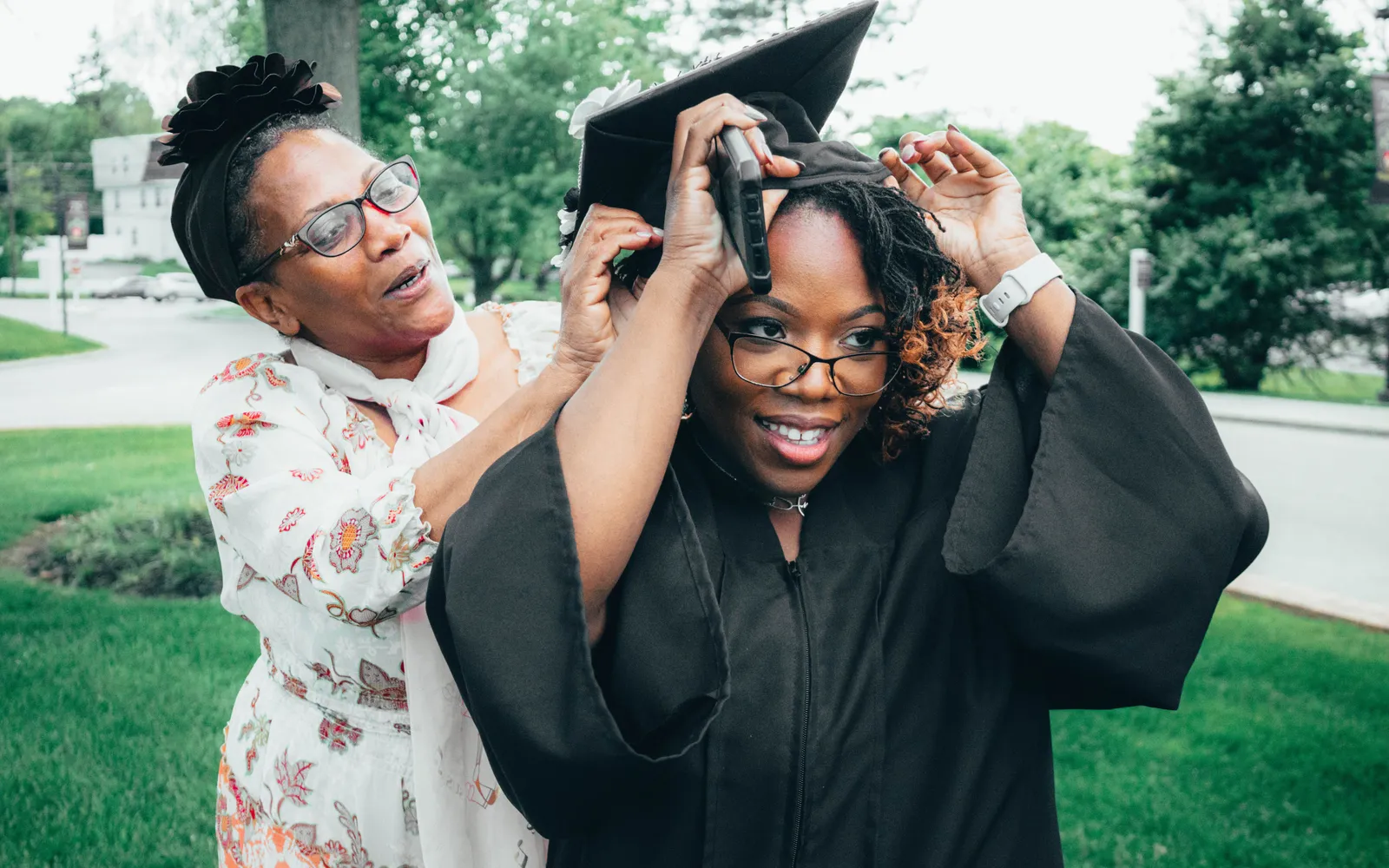
Cosigned a Private Student Loan? The Exit Is 12 On-Time Payments. One Hardship Forbearance Pushes It Back a Year.
Sallie Mae says 92% of its new private student loans this quarter came with a cosigner, and delinquencies and forbearance both ticked up. Cosigner release exists, but only the borrower can apply, and Sallie Mae's rules shut the door for 12 months after a hardship forbearance or a 30-day late payment. Here's the clock and how to keep it running.

One in Four Families With Student Loans Has the Cash to Pay Them Off Today. Should You?
We ran the Fed's new 2025 Survey of Consumer Finances data. A quarter of families with student debt hold enough in checking and savings to clear the whole balance (median owed: $10,400). The other three quarters owe a median $31,000 with $3,800 in the bank, and 21% of them fell 60+ days behind on a payment. Here's the math on paying it off, and who shouldn't.
Best for
Find the right education for your situation.
Education questions, answered.
Do employers care whether my degree is online or on-campus?
For most employers, accreditation matters more than format. A degree from a regionally accredited school, whether earned online or on campus, is treated the same way by the vast majority of hiring managers. The exception is a small group of elite employers in consulting, finance, and law, who still filter by school prestige. If your target employer's job postings list specific universities, look at their recruiting patterns before picking a school. For most career paths, the answer is no: format does not matter, accreditation does.
What is the difference between regional and national accreditation?
Regional accreditation is the gold standard in the US. The six regional accreditors oversee traditional non-profit universities and hold the highest academic standards. Nationally accredited schools are usually for-profit and career-focused, with lower standards and weaker transferability. A degree from a nationally accredited school may not transfer to a regionally accredited one, and some employers and grad programs will not accept it. Verify any school is regionally accredited using the CHEA database. Not optional.
How long does it take to earn an online degree?
A bachelor's degree typically takes 4 years at a standard pace, or 2-3 years if you transfer in credits or use an accelerated format. Competency-based programs like WGU let you move faster if you can prove mastery, and some students finish in 2.5 years. An associate degree takes 2 years on average. A master's runs 1.5-2 years for most programs. Certificates range from 4 weeks to 12 months. Part-time enrollment, which many working adults use, stretches these timelines proportionally.
Can I get financial aid for an online degree?
Yes. Federal aid, including Pell Grants, subsidized loans, and work-study, covers students enrolled at least half-time in an accredited program, online or on campus. File the FAFSA every year to access it. Many schools also offer scholarships built for online students. And check whether your employer offers tuition reimbursement, which 63% of large US employers do, and which most employees never use. Real money.
How do I verify a school's accreditation status?
Use the official CHEA (Council for Higher Education Accreditation) database at chea.org. The U.S. Department of Education also lists accreditors at ope.ed.gov. Do not trust the school's own website on this. If a school claims accreditation but its accreditor is not recognized by CHEA or the Department of Education, the credential will not be recognized by most employers or other institutions either.
Also worth comparing
Funding the degree? Federal loans first, then shop the rest.
Federal loans come first, every time, because the borrower protections are real. After that, private lenders fill the gap at rates that range widely. Shop. Our loan hub compares private student loan rates from leading lenders.
Compare student loan rates →