














If you own solar, your inverter is fine. The agency that banned foreign-made inverters said so itself, in the same announcement.
Worth knowing, because a salesman is going to use that ban on you.
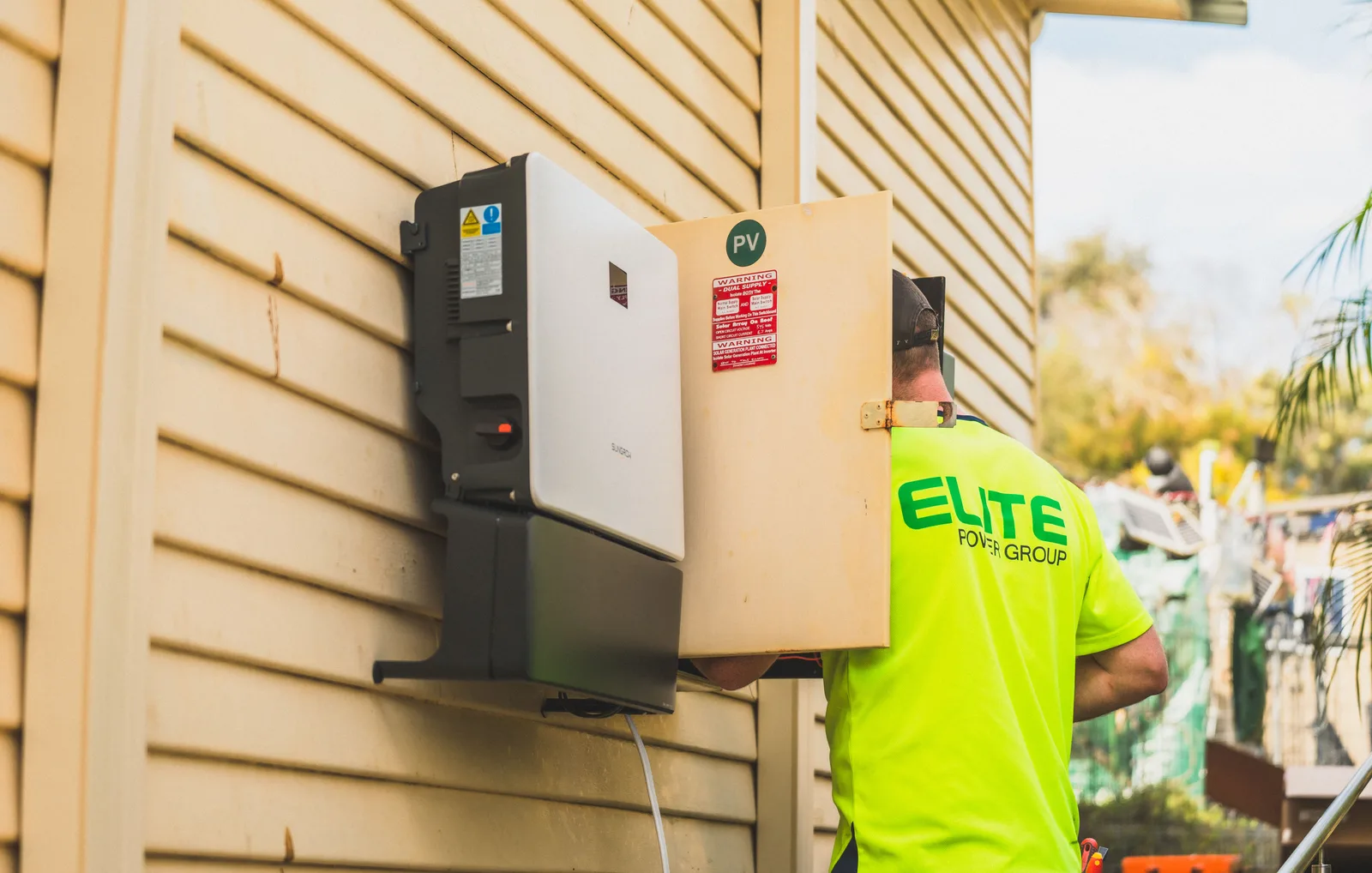
On July 28 the FCC added foreign-produced power inverters to something called the Covered List. The inverter is the box bolted to the side of your house that turns the direct current your panels make into the alternating current your outlets use. A White House interagency body had decided a day earlier that foreign-made connected inverters pose an unacceptable risk, because their “remote connectivity introduces additional vulnerabilities” that “could enable foreign firms to turn off the inverters or use them to collect and exfiltrate data.”
Then read the part the headlines skipped. The FCC’s own fact sheet: “This action does not affect any previously purchased devices.” And: “This update to the Covered List does not prohibit the import, sale, or use of any existing models of advanced robotic device and power inverters the FCC previously authorized.”
The restriction is on new equipment authorizations. New device models. Not the box on your wall, not the model your neighbor bought in April.
Three weeks later it got narrower still. On August 20, acting on a second determination from the Department of War, the FCC pulled two whole groups back off the list. Inverters that qualify for the section 45X manufacturing tax credit came off, because Congress had already treated them as domestically produced. And inverters that cannot connect to the utility grid came off, on the reasoning that a unit that never touches the grid carries risk that is “limited to local impacts.”
What is left covered is the grid-tied, connected inverter. The kind on almost every American roof.
Here’s what they don’t tell you. Panels are the part that lasts. The inverter is the part that doesn’t.
So the question that reaches your money is not whether your current unit is legal. It is what the shelf looks like in year ten, when the model that failed can no longer get a new authorization and nobody is bringing its successor into the country. Fewer models entering the market means fewer options and firmer prices on the ones that made it in. Nobody has priced that yet, including us.
Do this before you sign anything. Get the inverter’s make, model, and FCC ID in writing on the quote. Then ask the one question that separates a real quote from a hopeful one: does that exact model already hold an FCC equipment authorization, or is the manufacturer waiting on a Conditional Approval from the Department of War or Homeland Security? Those go through an application to the FCC, and the FCC has published no timeline for granting them.
If you already own your system, you don’t need to do anything today. File this away for the day the inverter quits, then ask the installer the same two questions before you let them pick the replacement.
And if anyone tells you to sign this month because Washington is about to make rooftop solar illegal, they are selling you a deadline that does not exist. The FCC wrote that the restrictions “apply to new device models.” Screenshot that sentence.
One last piece of homework. Most solar payback math quietly assumes 25 years of nothing breaking. Run yours again in our solar calculator with an inverter replacement priced in, and check the warranty terms in our solar hub before you compare quotes on our solar rankings page.
How Candid Yak makes money. Some of the products we write about pay us if you apply or sign up through our links. That never changes our verdict, our rankings, or the numbers in this article. We call a bad deal a bad deal whether it pays us or not. Some brands shown in our comparison tools are placeholder examples while we finalize partner agreements, and we label them as such.
Sources
- Fact Sheet: FCC Updates Covered List to Include Foreign-Produced Advanced Robotic Devices and Power Inverters (FCC, July 28, 2026)
- Public Notice DA 26-786: Addition of Foreign-Produced Power Inverters and Advanced Robotic Devices to FCC Covered List (FCC Public Safety and Homeland Security Bureau, July 28, 2026)
- Public Notice DA 26-870: Modification of Power Inverters Entry on the Covered List (FCC Public Safety and Homeland Security Bureau, August 20, 2026)