









If you shop at Dollar General, the price on the shelf tag may not be the price you pay. The government checked four times and lost every time.
On October 26 the FTC and 20 states sued Dollar General in federal court in Tennessee. The charge is simple: its registers “routinely” ring up more than the shelf tag, the sticker, or the sales flyer, and the company knew and didn’t fix it.
Four trips, four overcharges
Between January and April 2026, FTC investigators went undercover into Dollar General stores in Cleveland, Springfield, Missouri, Sharpsburg, Pennsylvania, and Baltimore. They bought about 59 items each time.
Every trip came out wrong. Across the four baskets, 30 of 236 items rang up at a different price than the tag. Twenty-one of those were overcharges. The net damage per trip was $3.25, $4.07, $2.60 and $3.65.
Here’s the catch. Nobody drives back to the store for $3.25. That’s the bet.
State inspectors found the same thing, over and over. Most states fail a store when more than 2% of sampled items are priced wrong. By that standard, the complaint says Dollar General failed 53% of New Mexico inspections this year, more than 45% in Utah, and more than 39% in Kansas since 2023. One Utah store failed ten inspections in a row. Wisconsin inspectors scanned 7,344 products in 2023 and found overcharges on 9% of them, averaging 17% above the posted price.
The company logged at least 29,265 complaints filed under “Did Not Honor Marked Price” from January 2023 through March 2026, from all 48 states where it operates. It has paid more than $6 million in state settlements over pricing since 2019.
Who pays for it
Dollar General’s own numbers tell you who’s eating this. Families earning $35,000 or less bring in 60% of its revenue, and about 80% of its stores sit in towns of 20,000 people or fewer.
This isn’t a left or right fight. The suing states include Florida, Alabama, Utah and Oklahoma alongside California and Illinois. Advertising a price you don’t charge is illegal in all 50 states, the complaint notes. A few dollars a trip for a family watching every dollar is real money, and it’s the kind of quiet cost nobody votes for.
Do this at the counter
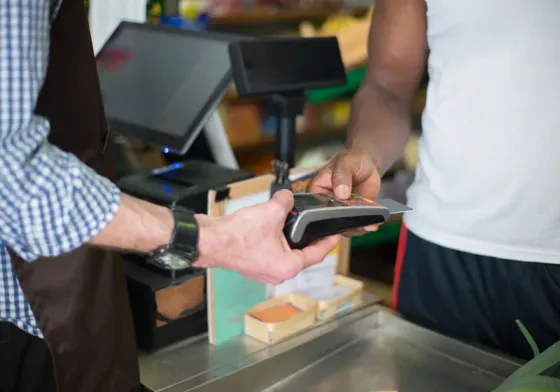
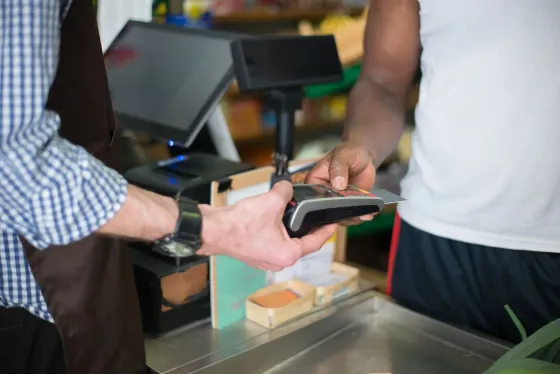
Watch the screen as items scan. On one FTC buy, the screen with the running price list faced only the cashier. If you can’t see the prices, ask.
Check your receipt before you walk away. If an item rang up high, ask for the shelf price right then. The complaint says Dollar General’s own policy is to honor the lowest price, and its 2025 Colorado and Pennsylvania settlements require signs saying so.
Snap a photo of the shelf tag. If the store says no, file with your state attorney general or weights and measures office and at ReportFraud.ftc.gov. Wisconsin law goes further and requires the store to refund the difference.
Don’t wait on a refund check. The suit asks for restitution, but nothing’s decided and Dollar General hasn’t answered in court. Anyone who calls asking for a “claim fee” is a scammer.
Want to see what a month of small leaks adds up to? Track every receipt for 30 days and run it through our budget planner.
The detail
The complaint was filed in the U.S. District Court for the Middle District of Tennessee. It alleges violations of the FTC Act, state consumer protection and weights and measures laws, and, in an unusual twist, the Gramm-Leach-Bliley Act. The FTC’s theory there is that by promising one price and charging another, Dollar General got shoppers’ card and bank details under false pretenses.
How Candid Yak makes money. Some of the products we write about pay us if you apply or sign up through our links. That never changes our verdict, our rankings, or the numbers in this article. We call a bad deal a bad deal whether it pays us or not. Some brands shown in our comparison tools are placeholder examples while we finalize partner agreements, and we label them as such.