















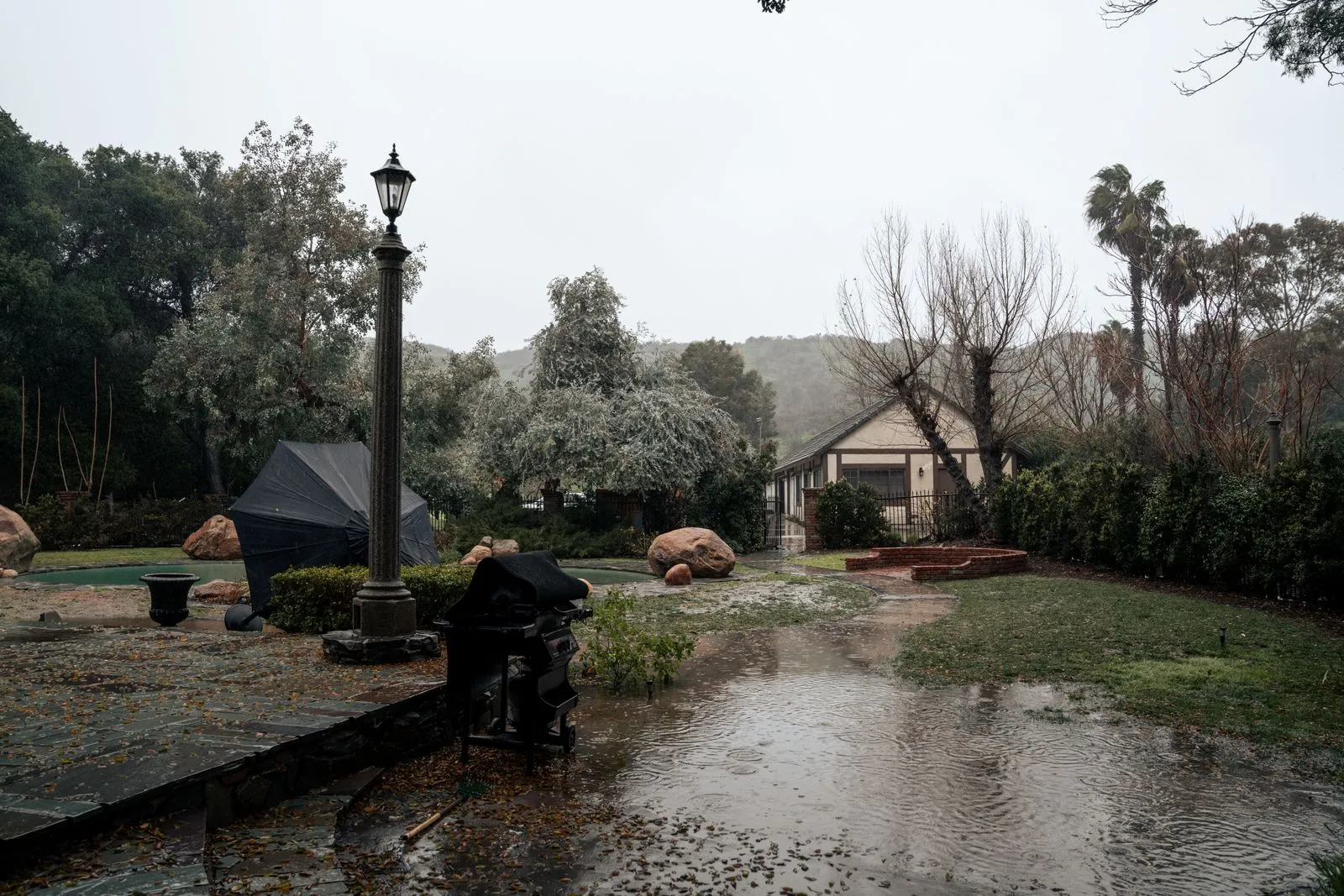
If you live in California and your plan for El Niño is “my homeowners policy has it,” check that plan today. Flooding, mudslides and debris flows are usually excluded. And new flood coverage takes 30 days to kick in.
And the federal program that sells most of it runs out of authority on December 11.
The storm, the gap and the clock
NOAA’s Climate Prediction Center said on October 8 that El Niño is still strengthening. It now puts the chance of a historic event, stronger than anything on record since 1950, at 83% for October through December. NOAA is careful to say a big El Niño makes the usual effects more likely, not guaranteed. California’s insurance department says the risks it raises there are flooding, mudslides and debris flows.
The department isn’t waiting to find out. After the governor’s emergency declaration for a “likely historic” El Niño, Commissioner Ricardo Lara told residents to review their coverage now. The department spells out the gap. Homeowners and renters policies typically exclude flooding, mudslides and debris flows unless a recent wildfire or another covered peril caused them.
Here’s the catch. The department also says flood insurance “generally takes effect 30 days after purchase.” The main exception is a policy your lender requires when you buy a home. Buy when the storm shows up on the radar, and you’re a month late.
Now add Congress
The National Flood Insurance Program writes most of California’s flood coverage. Congress keeps it alive with short-term patches, 35 of them between late 2017 and early 2026, according to the Congressional Research Service. The current patch runs to December 11, 2026.
If that date slips, CRS says the authority to write new NFIP policies expires. Policies bought before the lapse stay in force. This isn’t hypothetical. The program lapsed from October 1 to November 12 last year, and again for three days in February.
Run the calendar. Buy today and you’re covered November 24. Wait until December and hit a lapse as long as last fall’s, and NFIP sales reopen around January 24. Add the 30-day wait and you’re covered around February 23. That’s most of a wet winter with no flood coverage at all.
Waiting doesn’t save you anything. It just moves your start date into the storms.
The move
Pull your declarations page this week and look for the flood exclusion. Then call your agent or insurer and get a flood quote. FEMA’s FloodSmart site says NFIP policies cover up to $250,000 for the building and $100,000 for contents. If you rent, ask about contents-only coverage. The department reminds renters that a landlord’s policy doesn’t cover your belongings.
Ask about private flood insurance too. The department notes it’s sold in California, and a lapse halts new NFIP policies, not private ones.
While you’re on the phone, check your car. Comprehensive coverage can pay for flood and fallen-tree damage, and it’s optional. Then walk your house with your phone and record everything. That inventory makes the claim faster if you need one.
If your area’s flood map changed recently, read our guide to the 45-day flood map appeal clock. For the NFIP deadline history, see our deadline explainer. More homeowner guides live on our mortgages hub.
The detail
The insurance department says some water damage from wind-driven rain may be covered under a standard policy, and fallen trees generally are. If you live near a recent burn scar, Lara has reminded insurers that mudslides and debris flows caused by wildfires fall under their legal duty to cover. NOAA’s next El Niño update is due November 12.
How Candid Yak makes money. Some of the products we write about pay us if you apply or sign up through our links. That never changes our verdict, our rankings, or the numbers in this article. We call a bad deal a bad deal whether it pays us or not. Some brands shown in our comparison tools are placeholder examples while we finalize partner agreements, and we label them as such.
Sources
- Commissioner Lara urges Californians to review insurance coverage before likely historic El Niño storms hit (California Department of Insurance, September 22, 2026)
- ENSO Diagnostic Discussion (NOAA Climate Prediction Center, October 8, 2026)
- What Does Flood Insurance Cover? (FEMA FloodSmart)
- National Flood Insurance Program Extended Through Dec. 11 (National Association of Home Builders, September 4, 2026)
- What Happens If the National Flood Insurance Program (NFIP) Lapses? (Congressional Research Service, updated February 6, 2026)