










If you own your home in California, buy power from PG&E, SCE or SDG&E, and your household income fits under the state’s CARE or FERA discount limits, there may be a solar program built for you. A nonprofit runs it. Your power bill pays for it. And it isn’t the salesperson on your porch.
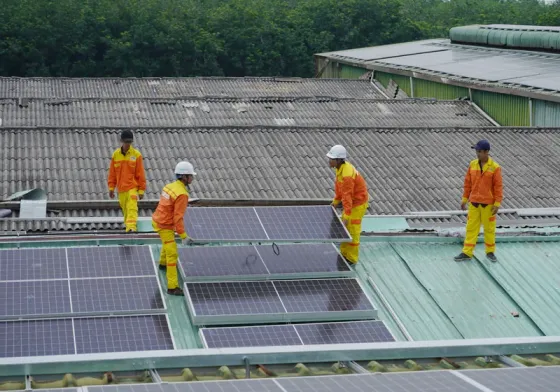
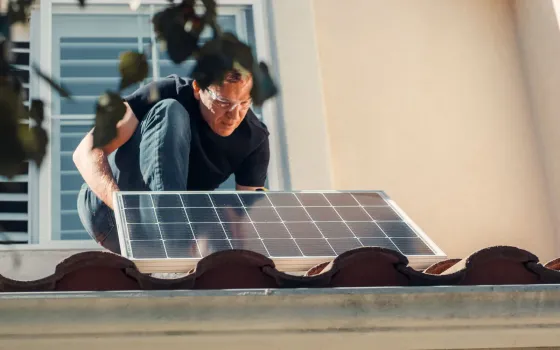
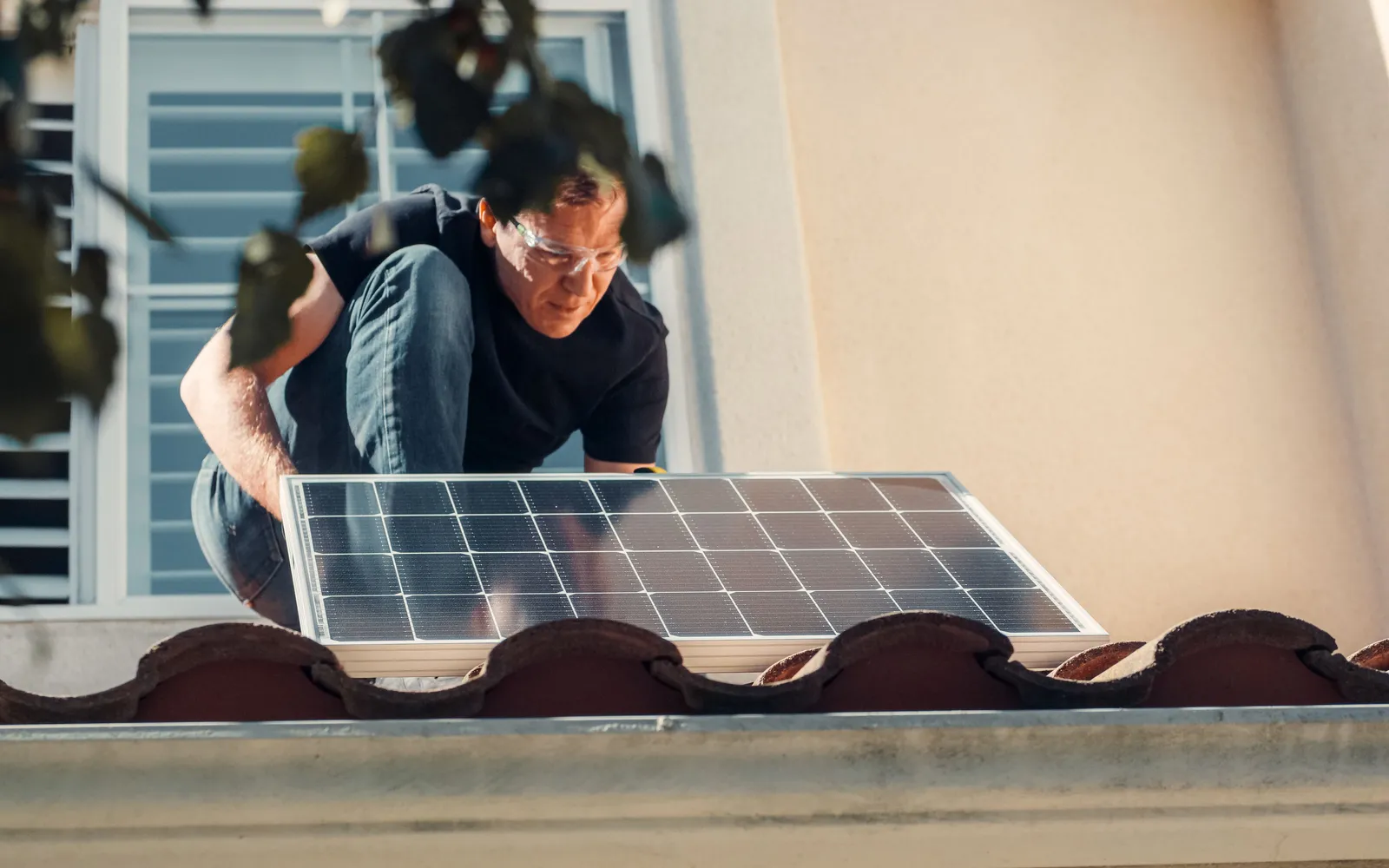
It’s called DAC-SASH, short for Disadvantaged Communities, Single-Family Solar Homes. The administrator, GRID Alternatives, says it puts panels on qualifying roofs at “low to no cost.” The California Public Utilities Commission is blunter: the program “ensures participating homeowners can install solar at no cost.”
Here’s the catch. It’s the address.
Your house has to sit in a census tract ranked in the top 25% statewide on CalEnviroScreen, the state’s pollution and poverty map, or in California Indian Country. You have to own it and live in it. For a household of four, the CARE ceiling is $66,000 a year and the FERA ceiling is $82,500, under limits that run through May 31, 2027.
Now the part the “free solar” door-knockers skip. The real free program is small. Its budget is $10 million a year, and 85% of that goes to incentives. From its September 2019 launch through December 2024, it installed 2,886 systems. That’s about 550 roofs a year, spread across the three biggest utilities in the state.
And since July 1, every dollar of it comes off your bill. A 2025 law, AB 1207, ended the requirement that utilities steer part of their carbon auction money to programs like this. The CPUC’s own proposed decision says funding is now scheduled to come “solely” from public purpose program charges, a line item every PG&E, SCE and SDG&E customer pays, until the program shuts down December 31, 2030.
That proposed decision, mailed September 4, could get a vote as early as October 8. Mostly it trims paperwork: it drops job training and energy efficiency education requirements and bars any project from collecting more in combined incentives than it costs. It also says no to batteries. GRID asked to add them at $1,000 per kilowatt-hour. The answer was no.
Translation: DAC-SASH money buys panels. Not a backup battery.
So who should care? Anyone paying into it who might qualify. You’re funding the program either way. If your tract and income line up, it’s dumb to sign a long-term solar lease or loan with a stranger before you’ve asked the program built to put panels on your roof for little or nothing.
Do this in order. Look up your address on CalEnviroScreen. Check your income against the CARE and FERA table. If both clear, apply through the Energy for All Program site GRID points to, energyforallprogram.org/ca.
Then read whatever you’re offered against the program’s own rules. When GRID uses a third-party owner, the handbook requires that you keep at least 50% of the savings compared with standard utility rates, that no lien goes on your home, that maintenance and inverter replacement are covered, and that “all costs are apparent and upfront.” If the system costs more than the $3-per-watt incentive, GRID looks for other money and may offer you the gap out of pocket. Get that number in writing.
Hold every other “free solar” pitch to the same list. If a contract can’t match it, you have your answer.
Don’t qualify? Then this one isn’t for you, and the federal low-income money still isn’t reaching homeowners. Run any quote through our solar payback calculator and compare it with the solar options we track. It has to pay for itself on its own numbers.
How Candid Yak makes money. Some of the products we write about pay us if you apply or sign up through our links. That never changes our verdict, our rankings, or the numbers in this article. We call a bad deal a bad deal whether it pays us or not. Some brands shown in our comparison tools are placeholder examples while we finalize partner agreements, and we label them as such.
Sources
- Proposed Decision Modifying the Disadvantaged Communities, Single-Family Solar Homes Program, R.25-01-005 (California Public Utilities Commission, mailed September 4, 2026)
- DAC-SASH Program Handbook, version 5 (GRID Alternatives, January 2025)
- DAC-SASH program page (GRID Alternatives)
- CARE and FERA income guidelines, June 1, 2026 to May 31, 2027 (California Public Utilities Commission)